



Navigating the DVO Process in Queensland: A Practical Guide
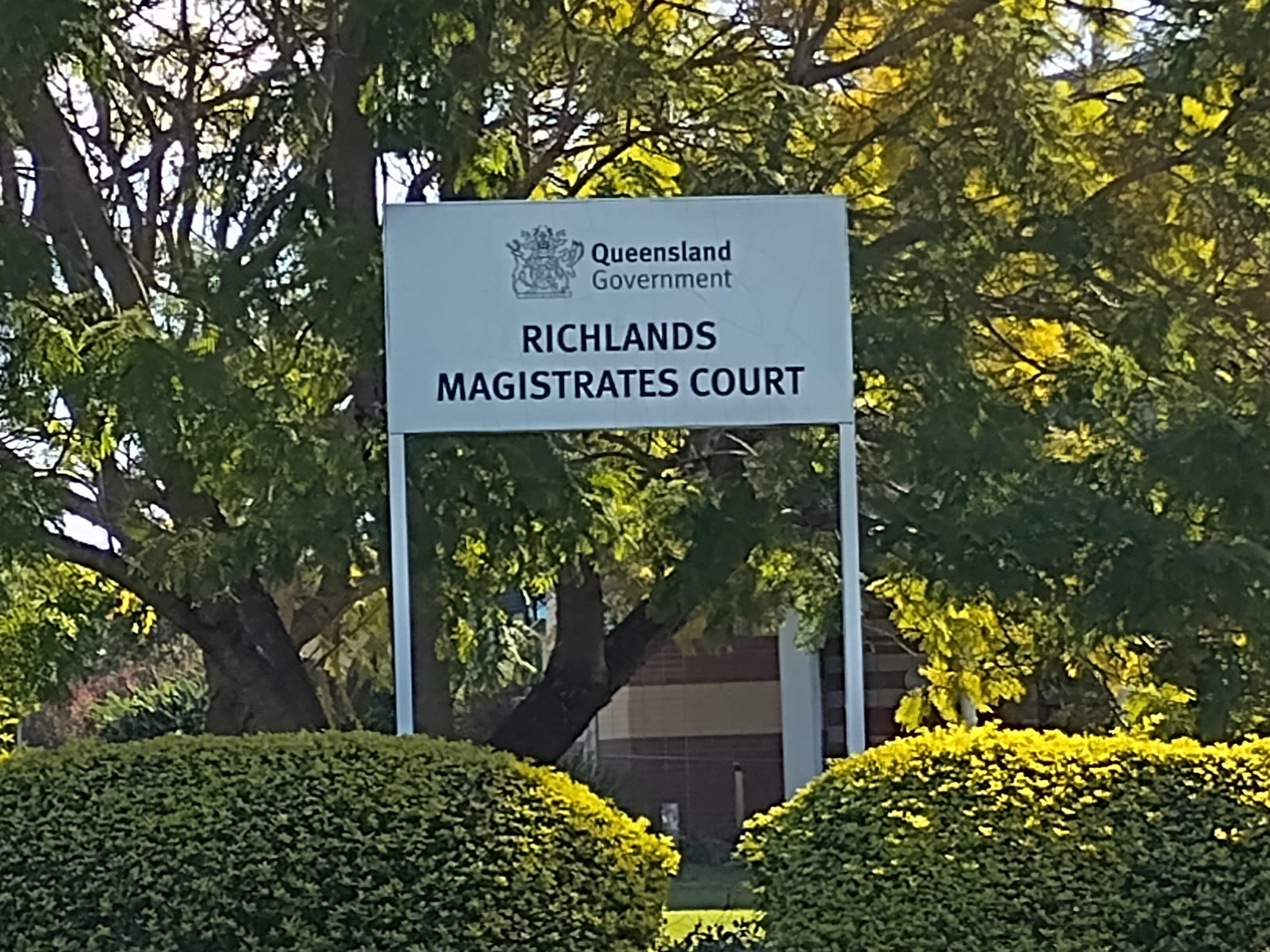
Facing a Domestic Violence Order (DVO) application in a Queensland Magistrates Court can be one of the most stressful experiences of your life. Whether you are seeking protection or responding to an application, understanding the road ahead is the first step toward reclaiming control.
At Sterling Law, we see firsthand how the “legal unknown” adds to the anxiety of these proceedings. To help you prepare, we’ve broken down the most critical aspects of the QLD court process.
1. The First Step: Understanding the “Mention”
Many clients walk into their first court date expecting a final decision. In Queensland, this initial appearance is called a Mention.
Think of the Mention as a “check-in” for the Magistrate. The court will confirm if everyone has the right paperwork and ask the Respondent if they agree to the order or wish to contest it. If you aren’t ready to decide, you can often ask for an adjournment to seek legal advice.
2. Safety and Privacy: Do I Have to Face the Other Party?
One of the most common fears for those seeking protection is being in the same room as the person they are afraid of.
The Queensland Court system has built-in protections for “aggrieved” parties. Most courts offer safe rooms—private areas where you can wait for your matter to be called without risk of confrontation. Furthermore, our team can advocate for “special witness” status, which may allow you to provide evidence via video link or from behind a protective screen.
3. The Long-Term Impact: Records and Rights
It is a common misconception that a DVO results in a criminal record. Because a DVO is a civil order, it does not appear on a standard criminal history check.
However, the consequences remain serious. A “Final Protection Order” typically lasts for five years and can significantly impact your life, including:
-
Employment: Certain industries (like security or childcare) may require disclosure.
-
Weapons Licenses: A DVO usually results in the immediate suspension of any weapons licenses.
-
Family Law: If you have children, a DVO can be used as evidence in the Federal Circuit and Family Court of Australia to alter parenting arrangements.
4. When Parenting Orders and DVOs Clash
If you already have parenting orders from the Family Court, a Magistrate making a DVO must take these into account. However, if there is a conflict, the DVO conditions designed to ensure safety will often take priority. Navigating this intersection requires a lawyer who understands both the state-based DVO system and federal Family Law.
Need immediate advice on a DVO application? Contact the team at Sterling Law on 3667 8213 today for a confidential consultation.
 Author adminPosted on Categories Domestic violence, Family law